
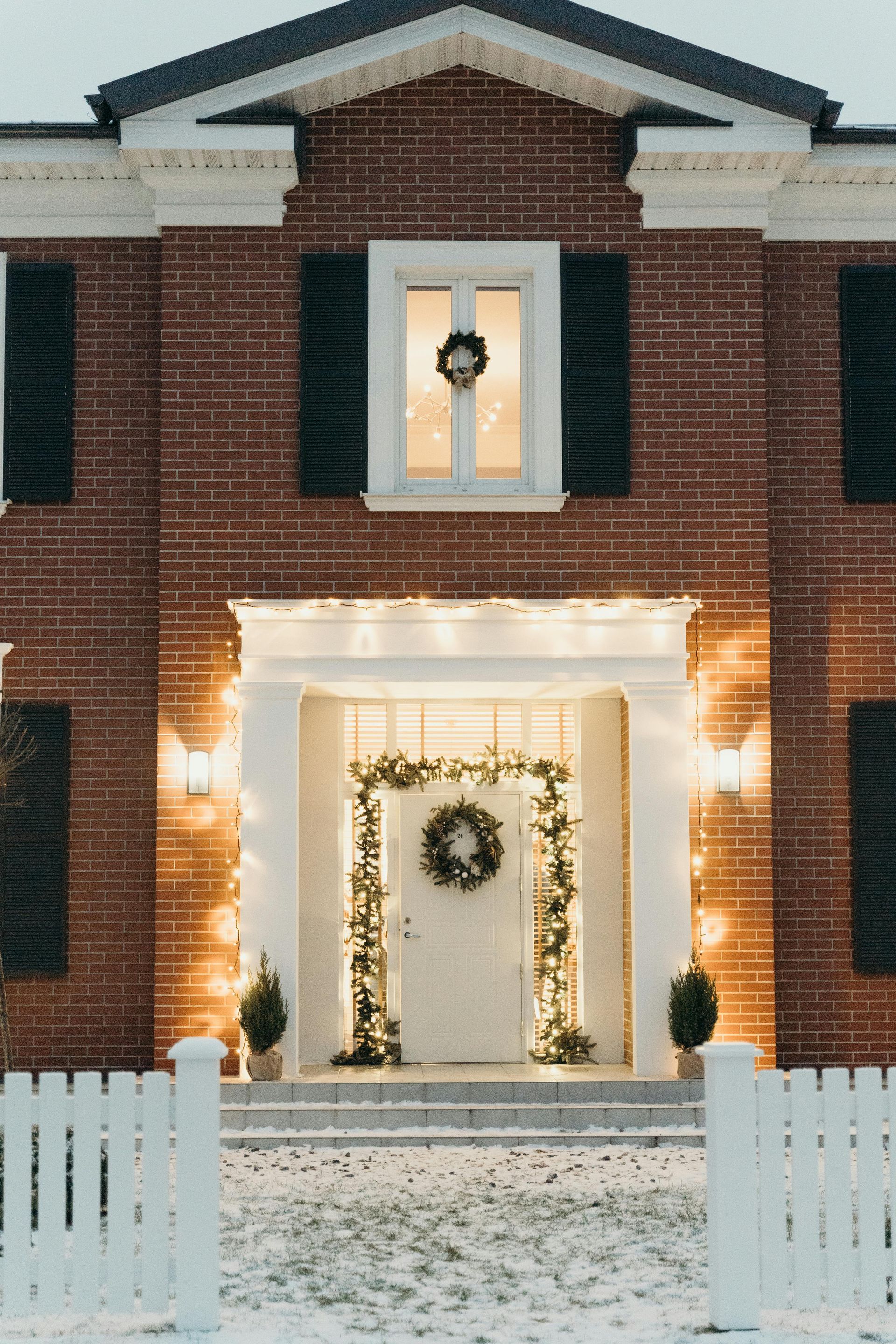
The holiday season is a time for lights, decorations, and celebrations—but it’s also a season that can put extra stress on your home’s electrical system. At Blackstock Electric , we want to help you enjoy the festivities safely and without interruption. Why Holiday Electrical Safety Matters During the holidays, many homes see a surge in electricity usage. From strings of lights and animated displays to space heaters and holiday appliances, the increased load can sometimes cause: Flickering or dimming lights Tripped circuit breakers Overheated outlets Electrical hazards that increase the risk of fire Taking a few proactive steps can protect your home, your family, and your holiday decorations. Common Holiday Electrical Services 1. Holiday Lighting Installation From indoor accent lights to large outdoor displays, professional installation ensures your lights look great and run safely all season. 2. Outlet & Switch Upgrades Older outlets may not handle the extra load from multiple decorations or appliances. Installing modern outlets or adding dedicated circuits can prevent hazards. 3. Panel Inspections & Upgrades A thorough inspection of your electrical panel can identify potential issues before they cause problems. In some cases, a panel upgrade may be necessary to support the holiday electrical load. 4. Troubleshooting & Repairs If you notice flickering lights, warm outlets, or frequent breaker trips, it’s a sign your system needs professional attention. Our team can quickly identify and fix issues. Tips for a Safe Holiday Season Avoid overloading extension cords or outlets. Use LED lights—they’re cooler, safer, and more energy-efficient. Turn off decorative lights when leaving home or going to bed. Schedule an electrical inspection if your home is older or hasn’t been checked recently. Trust Blackstock Electric This Holiday Season From small repairs to full lighting installations, Blackstock Electric provides reliable, professional service for homeowners in Hog Mountain and surrounding areas. Our team ensures your home is safe, functional, and bright for all your holiday celebrations. Don’t let electrical issues dim your holidays. Contact Blackstock Electric today and keep your home merry, bright, and safe!
Keep your home safe this fall—Blackstock Electric helps prevent flickering lights, overloaded outlets, and other electrical hazards
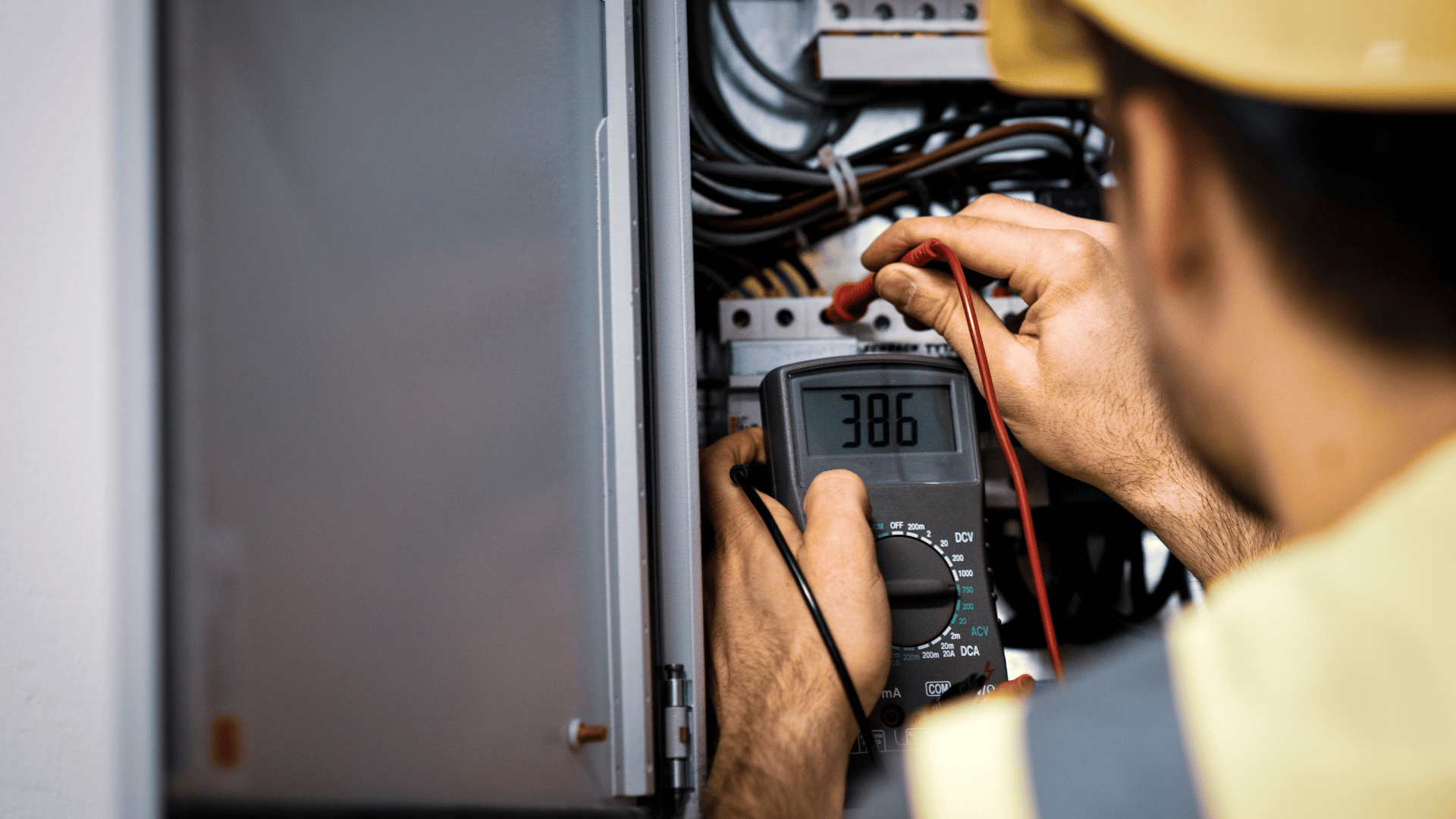
Avoid outages and safety risks this winter by knowing the warning signs your electrical panel needs attention.
Prepare your home or business for fall with Blackstock Electric. Stay safe and efficient with inspections, tips, and electrical upgrades

"I’ll Never Call Another Electrician." When we say we put our customers first, we mean it — but don’t just take our word for it. Time and again, homeowners and businesses in Suwanee, GA and the surrounding areas leave us 5-star Google reviews that remind us why we do what we do. One happy customer wrote: "They showed up on time, explained everything clearly, and got the job done right the first time. I’ll never call another electrician." Punctuality, clear communication, and getting it right the first time — it’s what we believe every client deserves. "They Went Above and Beyond." Electrical work isn’t just about wires and panels — it’s about making sure people feel safe and taken care of. "Blackstock Electric went above and beyond to fix a dangerous wiring issue in our home. They even followed up a week later to make sure everything was still working perfectly." That kind of dedication isn’t extra to us — it’s standard. "Friendly, Professional, and Honest." One of our favorite things to hear is that we’ve made a stressful situation easier: "They were friendly, professional, and honest about what needed to be done. The price was fair, and the work was top-notch." We know inviting someone into your home or business requires trust. That’s why our electricians treat every job like it’s for our own family. The Blackstock Electric Difference From emergency repairs to new installations, our customers know they can count on us for: Prompt, reliable service Transparent pricing Skilled, licensed electricians Respect for your time and property We’re proud that so many customers trust us enough to share their positive experiences online. If you’re looking for an electrician in Suwanee, GA and the surrounding areas who will treat you like a neighbor — not just another jo b — give Blackstock Electric a call today. ⭐ Read more of our 5-star reviews on Google and see why your neighbors choose us again and again.

Blackstock Electric shares essential electrical upgrades and safety tips for back-to-school season in Suwanee, GA and the surrounding areas.
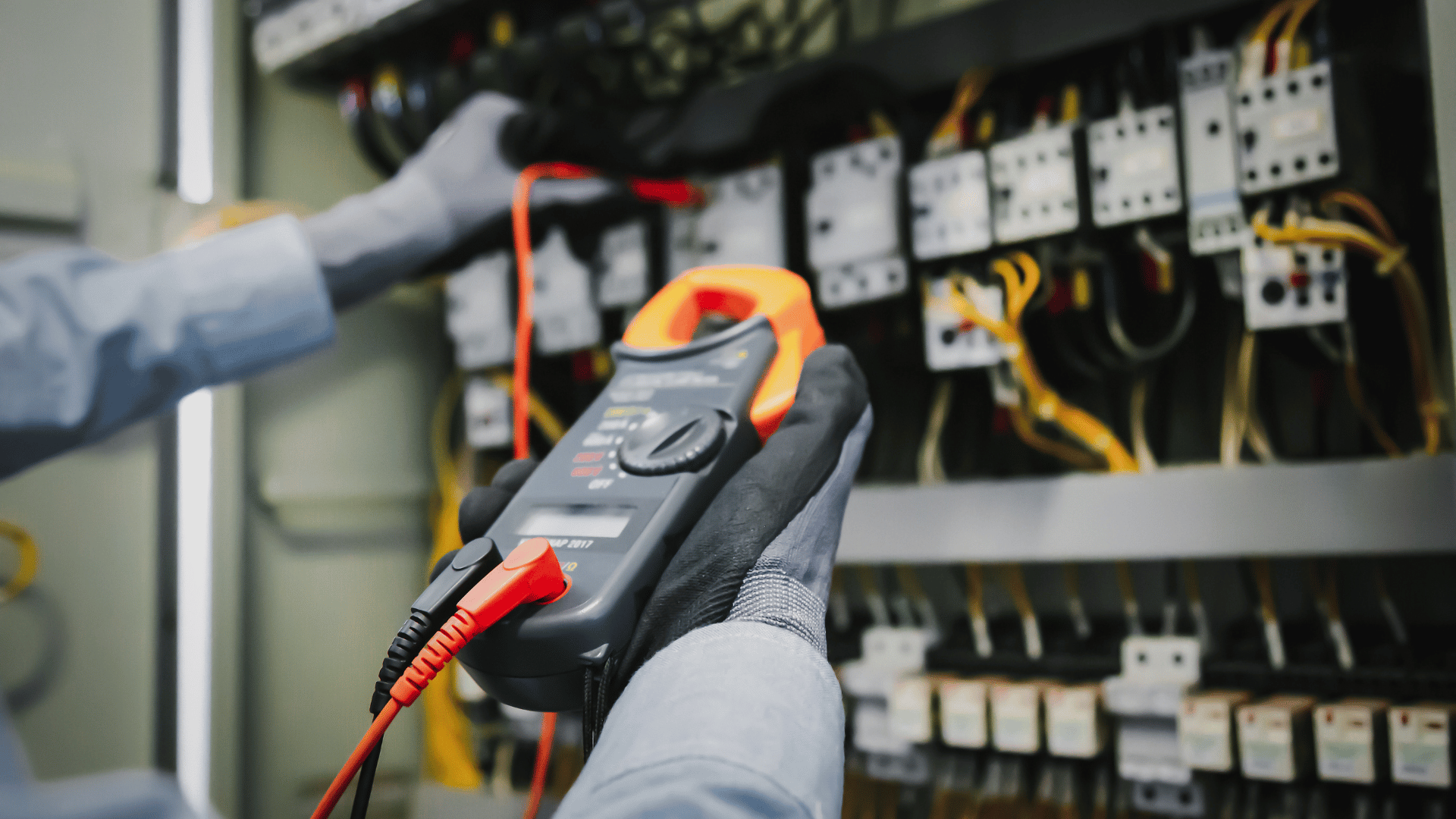
Regular electrical inspections help prevent hazards, ensure code compliance, and improve efficiency. Learn why they’re essential for your home or business with Blackstock Electric.
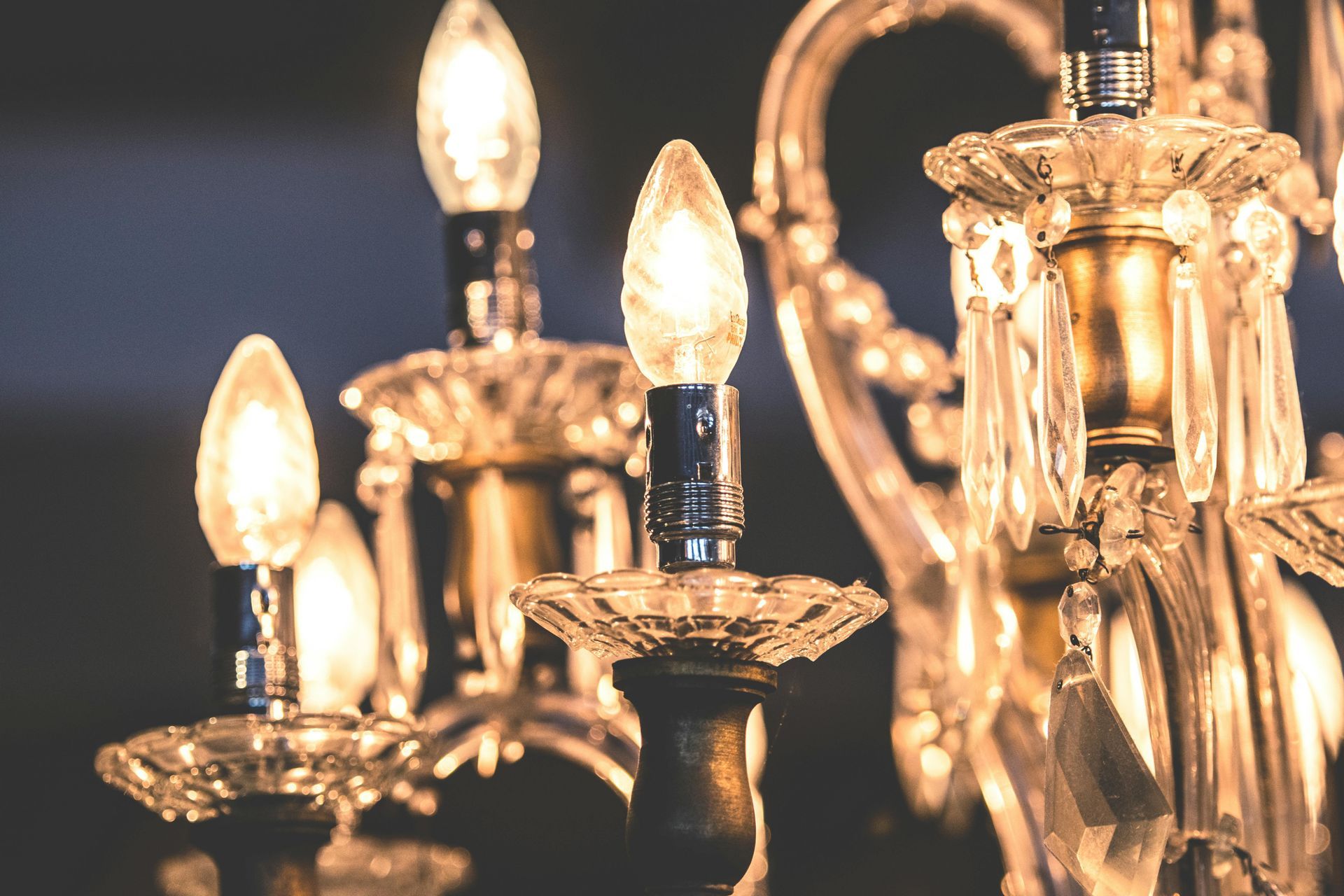
Discover the top 5 common electrical problems and how to fix them. Learn when to call a licensed electrician to keep your home or business safe. Blackstock Electric can help!
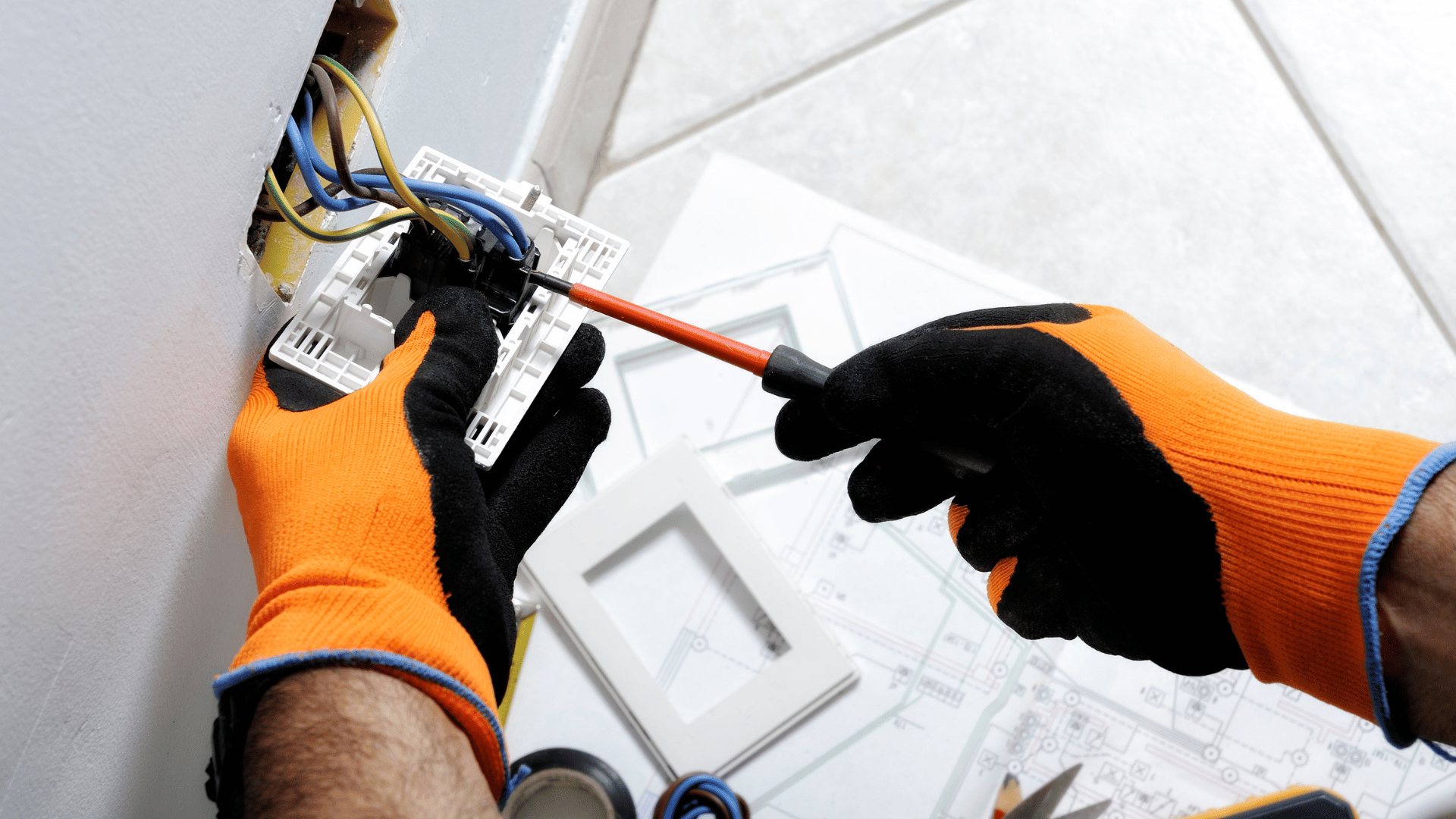
Learn why hiring a licensed electrician is crucial for safety, code compliance, and efficient electrical repairs. Trust Blackstock Electric for expert service in Suwanee, GA.